October 9, 2026
Car damage is an inevitable aspect of owning a vehicle, and among the various types of exterior damage, dents are by far the most common. Professional dent removals is not just about aesthetics; it is crucial for maintaining a vehicle's structural integrity, safety standards, and overall market value. Addressing body line flaws promptly can prevent further metal degradation and costly structural repair bills down the road. By exploring how technicians repair these imperfections, vehicle owners can better understand the immense value of professional body shop services.
Understanding Common Car Dents
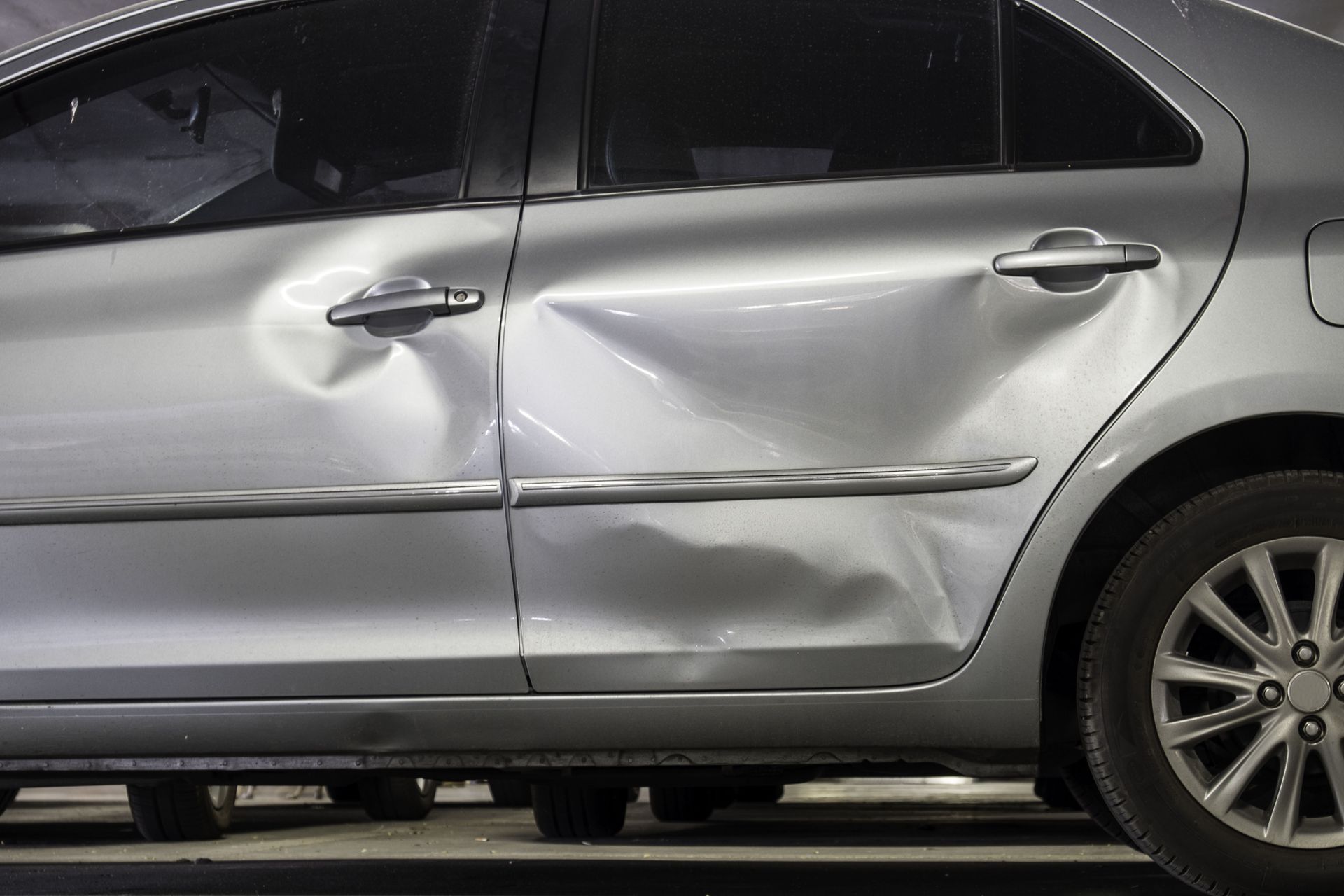
Car dents can range drastically in severity and visual appearance, with each variation requiring a specific technical approach for a complete repair. Minor dings are typically small and shallow, often occurring from low-impact encounters in crowded parking lots. Crease dents are considerably more complex, occurring when an object scrapes across a panel to create a deep, stretched line in the metal. Round dents usually result from impact with spherical objects like sports balls or severe hail, while extreme damage dents stem from heavy traffic collisions.
Identifying the specific category of dent is the first step in any professional repair workflow. Minor dings might seem insignificant, but when left unattended, they can accumulate and lead to widespread panel deterioration. Crease dents require specialized metal-pulling tools and advanced technician techniques to smooth out the creased ridge line without cracking the clear coat. Round dents can deceptively conceal hidden structural stress underneath an otherwise smooth impression. Accurate initial assessments ensure technicians choose the most efficient strategy to restore the panel to factory specifications.
Everyday scenarios contribute to the frequent occurrence of vehicle body damage across urban and suburban environments. Misjudged parking maneuvers, runaway shopping carts, and stray car doors are the leading causes of minor surface dings. Furthermore, severe weather events like sudden hailstorms can inflict dozens of small impact craters across an entire hood and roof within minutes. Understanding these primary causes empowers drivers to adopt defensive parking habits and seek prompt repairs when unexpected body damage occurs.
Distracted driving also plays a massive role in causing vehicle collisions that lead to major structural dents. According to Sokolove Law, drivers who are texting are 23.2 times more likely to cause an accident or almost cause an accident. Maintaining complete focus on the road prevents the high-impact collisions that crumple quarter panels and bumpers. When accidents do happen, taking immediate action ensures minor structural damage does not escalate into complex safety hazards.
Assessing Dent Severity and Impact on Value
A comprehensive assessment is vital for selecting the most effective repair method for any damaged vehicle. The initial visual inspection examines the overall size, depth, and edge sharpness of the dent to estimate labor complexity. Simple surface depressions may only require straightforward tension relief, whereas deep metal deformations demand extensive panel reshaping. Experienced technicians look beyond the surface to verify whether internal support braces or electrical wiring networks behind the panel have suffered damage during the impact event.
Skipping a detailed structural assessment risks severe long-term complications for the vehicle owner. Misjudging metal stretch can lead to improper tool application, which permanently distorts the panel and inflates repair costs. Skilled technicians utilize modern digital imaging and precision LED reflection boards to map out micro-imperfections across the paint surface. Accurate initial evaluations prevent wasted resources, protect factory corrosion barriers, and guarantee that the chosen repair technique fully restores both form and function.
Unaddressed body damage directly undermines a vehicle's long-term resale value and trade-in potential. Prospective buyers often interpret visible dents as signs of broader mechanical neglect, leading to significantly lower financial offers. A pristine, dent-free exterior projects proper maintenance, supporting maximum market valuation during a private sale or dealer trade. Furthermore, deep dents that crack the paint layer expose raw steel to atmospheric moisture, rapidly triggering oxidation, rust spread, and paint peeling.
For drivers operating leased vehicles, repairing body damage before the lease inspection is essential. Dealerships enforce strict condition guidelines and charge severe financial penalties for unaddressed panel dents upon return. Paying for professional repairs upfront is almost always far more economical than paying inflated lease-end damage fees. Taking proactive steps to resolve body imperfections preserves personal equity and ensures optimal financial outcomes when selling or turning in a vehicle.
Environmental Concerns and Traditional Repair Methods
Leaving damaged vehicle panels untreated introduces subtle environmental risks alongside aesthetic concerns. When impact events chip or crack the protective clear coat, bare metal is left directly exposed to rain, road salt, and oxygen. The resulting iron oxide rust weakens structural components and can eventually flake off into local waterways as toxic road runoff. Maintaining a smooth, fully sealed vehicle exterior helps prevent premature material degradation and reduces the environmental footprint associated with manufacturing replacement body panels.
For decades, the hammer and dolly technique served as the foundational method for manual dent repair. This traditional process involves placing a metal block, known as a dolly, behind the panel while using a specialized body hammer on the exterior to carefully hand-form the metal back into shape. Precision and extensive trade experience are paramount, as overly aggressive hammering can easily stretch the metal beyond its elastic limit, permanently ruining the panel contour.
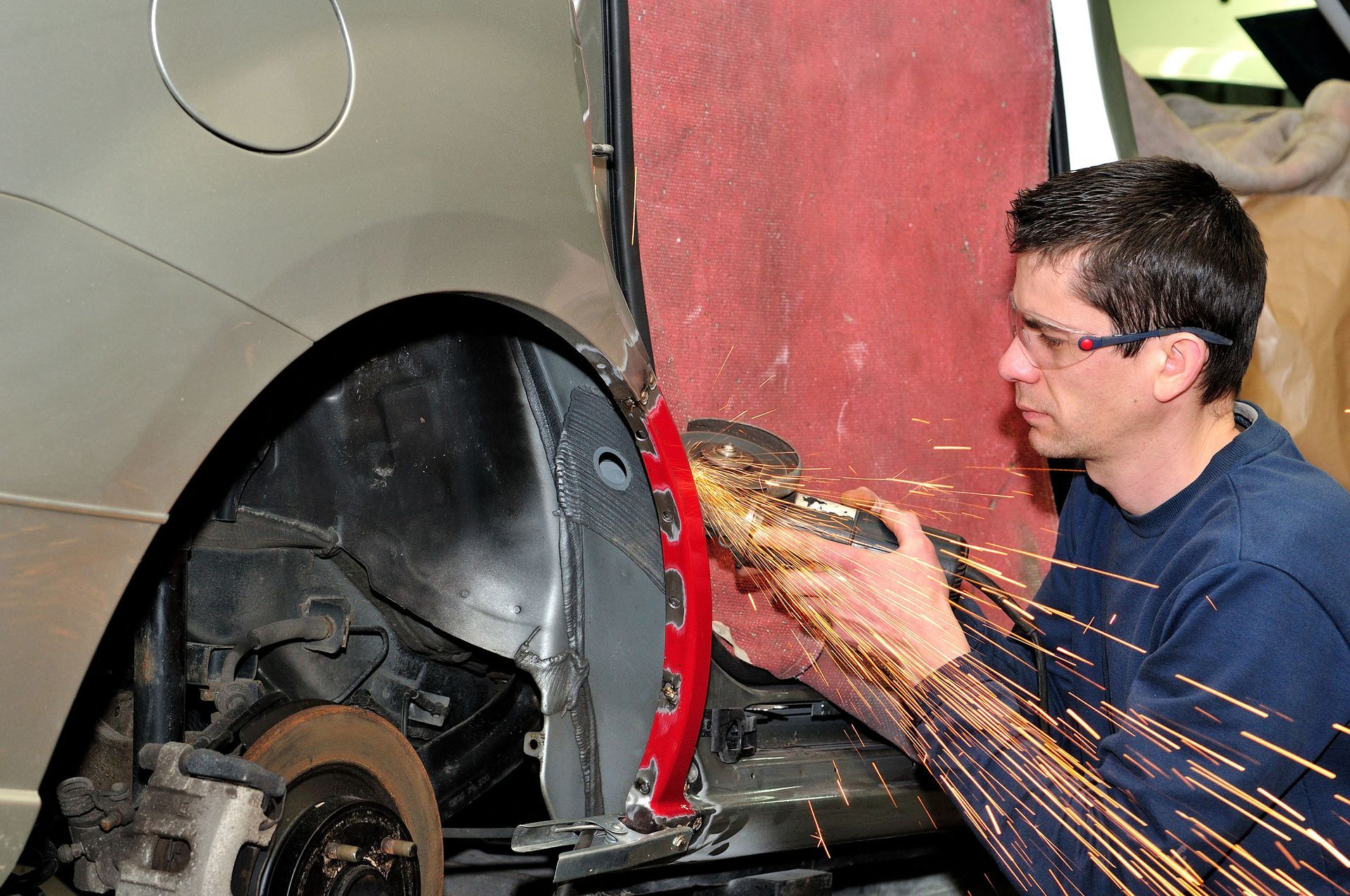
When dealing with deep or jagged gouges, technicians frequently rely on body filler and extensive sanding. After grinding the damaged area down to bare metal, a polyester resin filler is applied, shaped, and allowed to cure completely. Once hardened, technicians sand the filler smooth until it seamlessly matches the surrounding body lines before applying primer, base coat, and clear coat. While effective for smoothing out severe surface irregularities, body filler requires skilled application to prevent future cracking or shrinking.
Severe collision damage may require metal patching and full-panel repainting to achieve a complete restoration. Technicians cut out unsalvageable sections of metal and weld in fresh patches before grinding, priming, and color-matching the surface. Achieving an invisible finish demands meticulous multi-layer paint application and advanced blending techniques. While traditional repair methods are labor-intensive, they remain vital tools for restoring heavily damaged vehicles that cannot be fixed through non-invasive techniques alone.
Modern Paintless Dent Repair Techniques
Paintless Dent Repair has revolutionized the auto body industry by offering a non-invasive way to remove surface dents without repainting. PDR relies on specialized mechanical levers to slowly massage dented metal back into its original factory shape from behind the panel. Because the original factory paint remains completely intact, vehicle owners avoid color mismatch issues, clear coat blending, and long paint-curing wait times. This streamlined approach drastically reduces labor hours and material consumption.
The success of PDR depends heavily on custom-engineered steel rods, hand tools, and specialized reflection lights. Technicians insert thin steel rods behind body panels, using precise pressure points to gently push the depressed metal outward. Reflection lights illuminate subtle micro-shadows on the panel, allowing the technician to track progress with sub-millimeter precision. The ergonomic design of modern PDR tools gives technicians exceptional control, ensuring the metal returns to its exact original contour without over-stretching.
When selecting a body repair strategy, vehicle owners must weigh the extent of panel damage against available repair technologies. While deep paint scratches and torn metal still require traditional bodywork and refinishing, minor dings, crease dents, and hail damage are ideal candidates for modern PDR. Partnering with a certified body shop guarantees that your vehicle receives the exact technical care required to erase panel damage completely and safely.
Restoring your vehicle's appearance after an unexpected collision or parking lot mishap requires skilled craftsmanship, specialized tools, and proven technical expertise. Choosing professional dent removals ensures that your car retains its structural strength, eye-catching finish, and maximum market value over time. Do not let minor body damage turn into severe rust or costly lease penalties down the road. For superior craftsmanship, rapid turnarounds, and expert auto body restoration, trust the dedicated team at Accident Pros Inc. to make your vehicle look brand new again.