August 5, 2026
Understanding the processes and techniques local auto body shops rely on to repair vehicles after collisions can help customers better understand what happens after an accident. Collision repairs involve multiple steps, from evaluating damage and creating a repair plan to restoring the vehicle's appearance and completing necessary repairs. Each phase helps address different types of damage, including body damage, structural concerns, paint issues, and other collision-related repairs.
Detailed Vehicle Damage Assessment
Reviewing the Vehicle Condition
When a vehicle arrives after a collision, the repair process begins with an evaluation of the damage. Auto body professionals review the vehicle's condition to determine which services may be needed. This assessment helps identify whether the vehicle requires body repairs, frame work, dent removal, paint restoration, or other collision-related solutions.
Identifying Visible and Underlying Damage
A detailed inspection helps technicians understand the full scope of the collision damage. Some issues may be immediately visible, while others may require a closer review of affected areas. Identifying the extent of damage allows the repair team to develop an appropriate plan for restoring the vehicle.
Creating a Repair Estimate
Before repairs begin, an estimate helps outline the services needed depending on the vehicle's condition. The repair plan may include services such as auto body repair, frame alignment, bumper repair, dent removal, painting, or mechanical repairs. Reviewing the estimate allows customers to understand the recommended work and the services involved in the repair process.
Thorough Collision Damage Analysis
Reviewing Damaged Components
After the initial assessment, technicians review damaged areas more closely to determine the repairs needed. This process helps identify affected vehicle components and creates a clearer understanding of the work required to restore the vehicle. A thorough review allows the repair plan to address the specific damage caused by the collision.
Evaluating Structural Damage
Collisions can cause damage beyond exterior panels and cosmetic areas. Frame alignment and frame straightening services address structural damage caused by accidents. Evaluating these areas helps technicians determine the proper approach for restoring the vehicle.
Recognizing Collision Risks
Understanding common causes of collisions can highlight the importance of careful vehicle inspections after an accident. According to Sokolove Law, drivers using cell phones are 5.36 times more likely to get into a car accident. Identifying the cause of an accident does not replace a proper inspection, but it can provide context for why collision repairs may be necessary.
Complete Structural and Mechanical Repairs
Straightening and Aligning the Frame
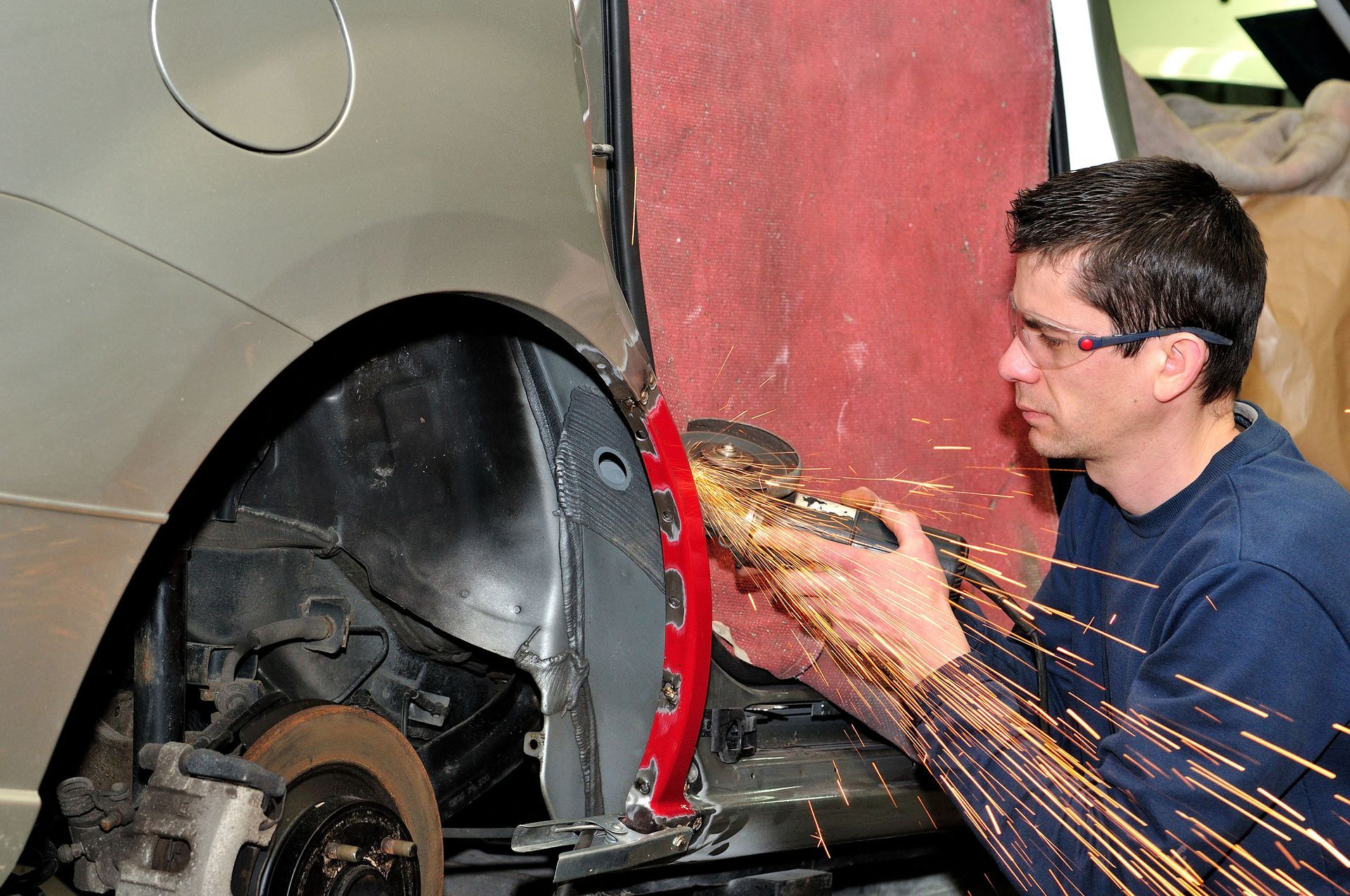
Frame damage is a common concern after significant collisions. Frame alignment and frame straightening services help address damage to the vehicle's structure following an accident. These repairs are an important part of restoring vehicles affected by major impacts and structural damage.
Repairing Damaged Components
Collision repairs may involve repairing or replacing damaged vehicle components depending on the severity of the accident. Addressing these damaged areas helps restore the vehicle's appearance and functionality after a collision. The repair approach depends on the condition of the affected areas and the services required.
Addressing Mechanical and Suspension Damage
Some accidents can affect mechanical components or suspension systems. Mechanical repairs and suspension work may be needed as part of the collision repair process to address damage caused by an impact. These services help address issues that extend beyond visible exterior damage.
Improved Vehicle Appearance Restoration
Repairing Body Panels and Exterior Damage
Auto body repairs help restore vehicles affected by collisions, dents, scratches, and other exterior damage. Depending on the condition of the vehicle, repairs may include panel work, bumper repairs, and other cosmetic restoration services. These services help improve the appearance of vehicles after collision-related damage.
Removing Dents and Minor Damage
Dent removal and paintless dent repair help address certain types of exterior damage. These services can restore damaged areas while helping maintain the vehicle's original appearance when appropriate. The right repair approach depends on the severity and location of the damage.
Refinishing Damaged Paint
Painting and paint refinishing are important steps in restoring vehicles after collisions. Technicians repair damaged paint areas and work to match repaired sections with the rest of the vehicle's appearance. This process helps create a more consistent finish after collision repairs.
Final Vehicle Repairs and Restoration
Reassembling Repaired Areas
After structural repairs, body work, and paint services are completed, technicians focus on bringing the repaired areas together. This step involves reviewing completed repairs and ensuring the vehicle has received the necessary services outlined during the repair process. Careful reassembly helps prepare the vehicle for the final stages before returning it to the customer.
Reviewing Completed Collision Repairs
Before returning a vehicle to the customer, the repair team reviews the completed work. This allows technicians to confirm that requested services, such as collision repairs, body restoration, paint refinishing, or other repairs, have been addressed. Reviewing the completed work helps ensure the repair process has covered the necessary areas.
Completing Cosmetic Restoration Services
Some vehicles require additional cosmetic services beyond standard collision repairs. Options such as ceramic coating, scratch removal, headlamp restoration, and tail light restoration can help improve the appearance of damaged or worn vehicle surfaces. These services provide additional solutions for vehicles that need cosmetic improvements.
Preparing the Vehicle for Pickup
Once repairs are finished, customers can review the completed services and receive their restored vehicle. The final stage provides an opportunity to discuss the collision repairs performed and any additional restoration work completed. This allows customers to better understand the services completed on their vehicle.
Additional Automotive Service Options
Restoring Vehicles Beyond Collision Damage
Auto body shops may handle more than repairs caused by recent accidents. Vehicle restoration services can address appearance concerns and help restore older or damaged vehicles. Classic vehicle restoration is also available for customers looking to improve the condition of specialty vehicles.
Installing Protective Vehicle Upgrades
Some vehicles benefit from additional services designed to protect or enhance specific areas. Bed liner installation provides added protection for truck beds, while ceramic coating helps protect vehicle surfaces and improve their appearance. These services offer additional options for customers looking to maintain or enhance their vehicles.
Addressing Rust and Surface Damage
Rust removal services help address corrosion affecting vehicle surfaces. Combined with other restoration and refinishing services, rust removal can help improve the condition and appearance of affected areas. Addressing surface damage can be an important part of restoring a vehicle's overall appearance.
Ongoing Customer Repair Support
Communicating Repair Progress
Clear communication throughout the repair process helps customers understand the services being performed on their vehicles. Updates regarding repair progress, insurance coordination, and completed work help customers stay informed from start to finish. This communication helps provide a clearer understanding of the repair process.
Assisting With Insurance Repairs
Insurance assistance is an important part of the collision repair process for many customers. Auto body shops can help coordinate information with insurance providers and provide details about the repairs needed after an accident. This support can help customers navigate the steps involved with collision-related claims.
Repairing Different Types of Vehicles
Collision repair needs can vary depending on the vehicle and the extent of the damage. Auto body shops that work with different makes and models can provide solutions for a wide range of vehicles, including collision repairs, body restoration, and cosmetic services. These repair options help address different types of vehicle damage after an accident.
Local auto body shops provide essential services for restoring vehicles after collisions, helping address damage through careful repairs and restoration solutions. From structural repairs and bodywork to paint refinishing and cosmetic improvements, each stage contributes to bringing a vehicle back to its restored condition. Learn more about how Accident Pros Inc. approaches collision repair with services designed to address vehicle damage, including auto body repairs, frame alignment, dent removal, painting, mechanical repairs, insurance assistance, and more.